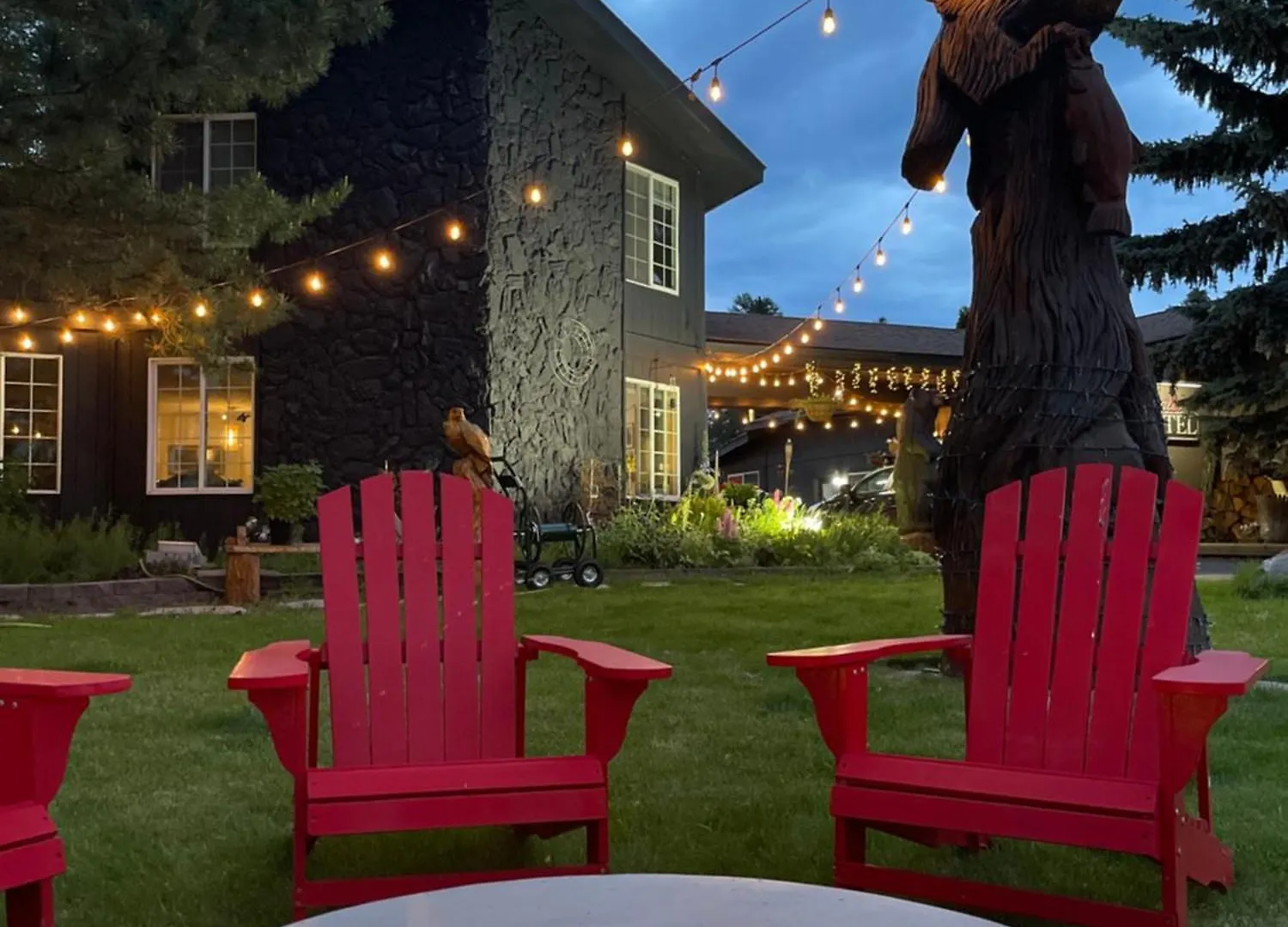
Montana's sheer scale - covering over 147,000 square miles - means that where you base yourself matters as much as where you sleep. From the Glacier Country corridor around Whitefish to the Yellowstone gateway town of Gardiner, 3-star hotels in Montana offer a practical sweet spot: reliable comfort, real amenities, and proximity to the state's most-visited natural landmarks without the premium pricing of resort lodges.
What It's Like Staying in Montana
Montana operates on a road-trip rhythm. There is no statewide rail network for tourists, and distances between towns regularly exceed 100 miles - having a car is not optional, it is essential. Glacier National Park and Yellowstone National Park are the two magnetic poles of Montana tourism, pulling most visitors toward the northwest and south corridors respectively, which means towns like Whitefish, Gardiner, and Hamilton see concentrated seasonal traffic. Travelers who prefer walkable urban environments or dense public transit will find Montana demanding; those chasing wilderness access, uncrowded trails, and big-sky landscapes will find it extraordinarily rewarding.
Summers in Montana are short and intensely busy, with Glacier and Yellowstone receiving the bulk of their annual visitors between late June and early September - plan accordingly or face sold-out accommodation weeks in advance.
Pros:
- Direct gateway access to two of America's most visited national parks from mid-range accommodation
- Free parking is standard at nearly all Montana 3-star properties, eliminating a major urban travel cost
- Outdoor activities - hiking, fly-fishing, rafting, skiing - are often within minutes of your hotel, not hours
Cons:
- A personal vehicle is non-negotiable; relying on public transport is not viable for most Montana itineraries
- Peak-season availability in Whitefish and Gardiner tightens sharply - last-minute booking is high-risk
- Dining and shopping infrastructure in smaller gateway towns is limited; expect to self-cater or drive for options
Why Choose 3-Star Hotels in Montana
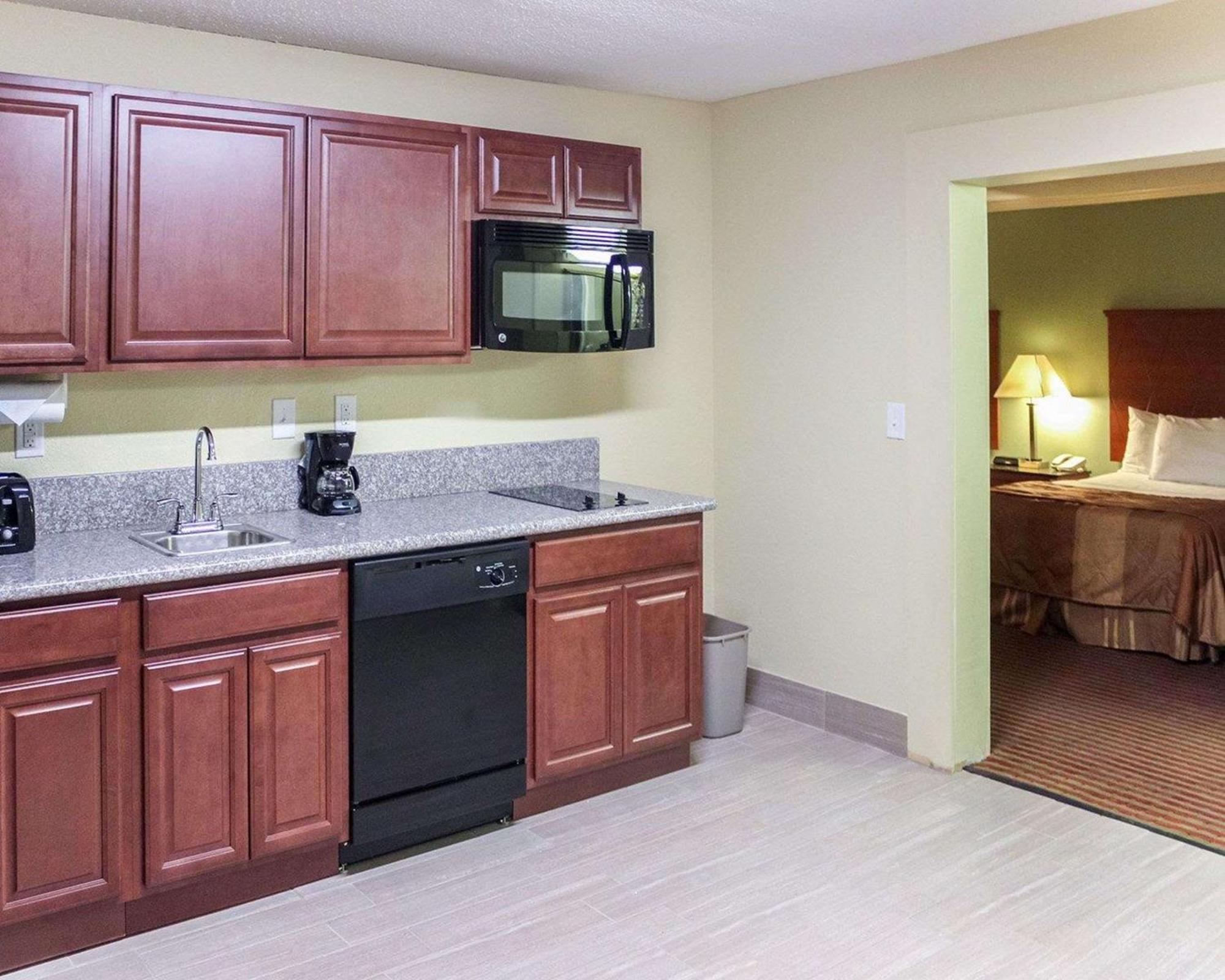
In a state where lodging options swing between basic roadside motels and expensive wilderness resorts, 3-star hotels occupy a genuinely useful middle ground. They typically deliver climate-controlled rooms, reliable Wi-Fi, on-site parking, and functional amenities like fitness centers or breakfast service - features that matter when you are returning from an all-day backcountry hike or an early-morning wildlife drive through Yellowstone. Compared to 4-star resort properties near Glacier or Yellowstone, 3-star options can run around 40% less per night, which adds up quickly on multi-night wilderness itineraries. Room sizes at this tier in Montana tend to be more generous than equivalent city hotels elsewhere in the US, and several properties include kitchenettes or full kitchen access - a practical advantage given Montana's sparse restaurant density in gateway towns.
The trade-off is typically in on-site dining and concierge depth; most 3-star Montana hotels do not offer full restaurant service, and spa or valet amenities are rare at this tier.
Pros:
- Kitchenette and refrigerator access is common, allowing cost-effective self-catering in remote gateway locations
- Properties are typically positioned on or near main highway corridors, making national park access straightforward by car
- Disability-accessible rooms and family room configurations are widely available across this hotel tier in Montana
Cons:
- On-site dining is rarely available; guests typically depend on nearby town restaurants or self-catering
- Some properties along Highway 93 or main access roads can experience road noise, particularly in peak season
- Limited concierge or tour-booking infrastructure compared to higher-tier resort lodges near the parks
Practical Booking & Area Strategy for Montana
Montana's best 3-star hotel clusters fall into three strategic zones: Whitefish for Glacier National Park access, Gardiner for Yellowstone's north entrance, and Helena for central Montana base-camping with airport proximity. Whitefish sits around 25 miles from Glacier's west entrance and also serves skiers heading to Whitefish Mountain Resort, making it a dual-season destination with corresponding price spikes in both July and January. Gardiner is literally at Yellowstone's door - the north entrance gate sits minutes from town - making it the most tactically positioned base for multi-day park exploration without paying resort-level rates inside park boundaries. Helena, Montana's capital, offers the most straightforward transport links via Helena Regional Airport and suits travelers combining city stops with outdoor excursions, including access to skiing and fishing within the surrounding mountain terrain. Book Whitefish and Gardiner properties at least 8 weeks ahead for July and August; Helena has more accommodation supply and slightly more last-minute flexibility outside of major event weekends.
Best Value Stays
These properties deliver reliable 3-star amenities at the most accessible price points, positioned in key Montana gateway towns with direct access to major outdoor attractions.
-
1. Chalet Inn
Show on map


 Check-infrom 16:00 until 21:00Check-outfrom 09:00 until 11:00
Just a few rooms left at the best rate!
fromUS$ 313
-
2. Budget Inn Express Helena
Show on map


 Check-infrom 15:00 until 23:59Check-outuntil 11:00
Just a few rooms left at the best rate!
fromUS$ 66
-
3. Super 8 By Wyndham Helena
Show on map


 Check-infrom 15:00 until 23:59Check-outuntil 11:00
Just a few rooms left at the best rate!
fromUS$ 65
-
4. Yellowstone Basin Inn
Show on map


 Check-infrom 16:00 until 21:00Check-outfrom 07:00 until 10:00
Hurry – almost gone at this price!
fromUS$ 279
Best Premium Stays
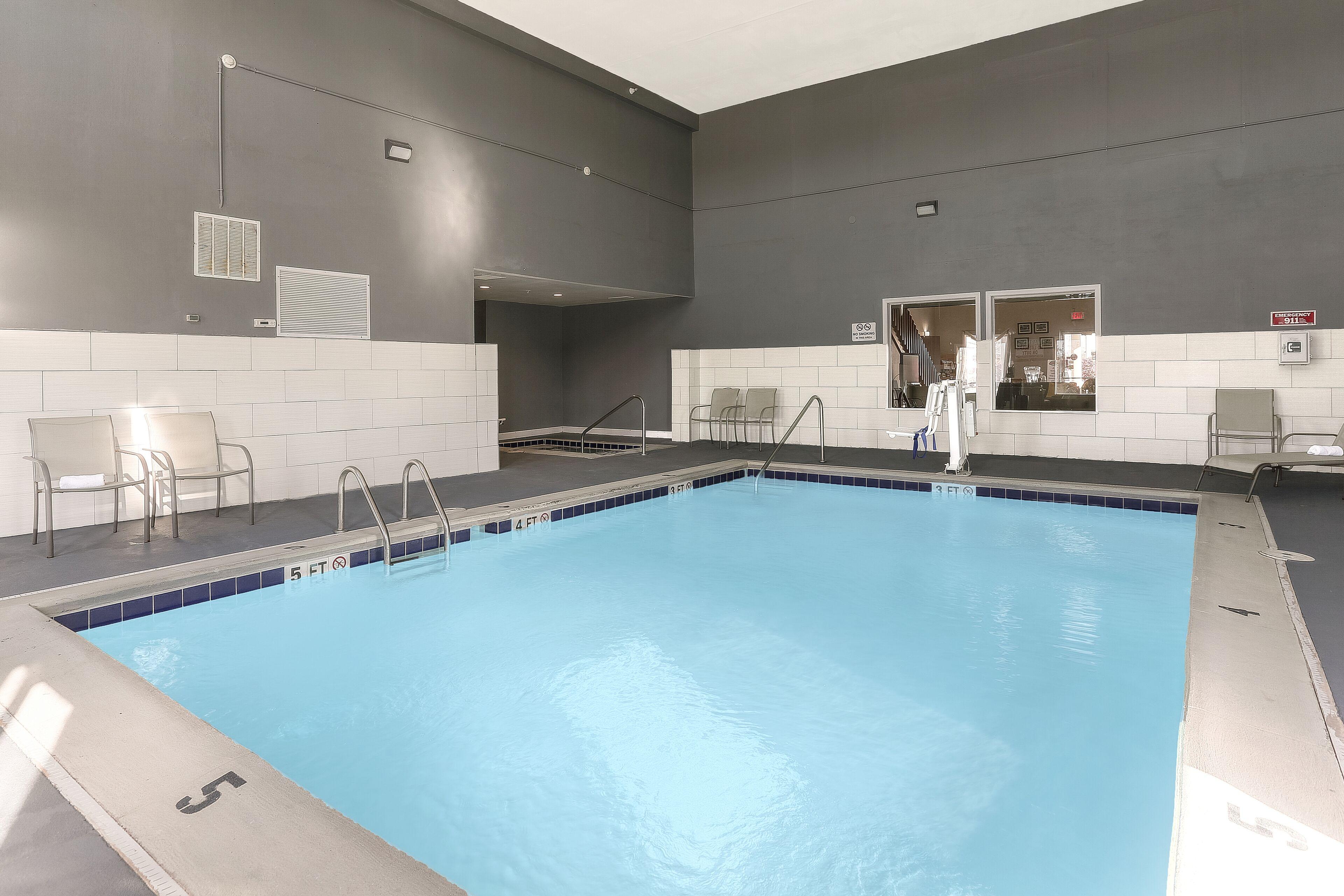
These properties offer expanded amenities - including pools, conference facilities, river settings, and park-view suites - for travelers prioritizing comfort and a more complete on-site experience.
-
5. Apres Whitefish
Show on map


 Check-infrom 15:00 until 23:59Check-outuntil 11:00
Hurry – almost gone at this price!
fromUS$ 76
-
6. Yellowstone Gateway Inn
Show on map


 Check-infrom 15:00 until 23:59Check-outuntil 10:00
Rooms filling fast – secure the best rate!
fromUS$ 305
-
7. Bitterroot River Inn And Conference Center
Show on map


 Check-infrom 15:00 until 23:59Check-outuntil 12:00
Rooms filling fast – secure the best rate!
fromUS$ 64
Smart Travel & Timing Advice for Montana
Montana's tourism calendar is sharply seasonal, and timing your stay directly affects both availability and cost. July and August are peak months across all gateway towns - Whitefish, Gardiner, and Hamilton all see accommodation fill quickly, with rates reflecting the demand. Glacier National Park's Going-to-the-Sun Road typically opens fully in late June and closes by mid-October, which defines the viable summer window for most Glacier-bound visitors. Shoulder season - late May, early June, and September - offers meaningfully lower rates and thinner crowds at trailheads, though some services and dining options in smaller gateway towns may not yet be fully operational in May. Winter travel to Whitefish is driven by skiing at Whitefish Mountain Resort, creating a secondary demand spike from December through February. For Yellowstone access via Gardiner, the north entrance is the only year-round road into the park, giving winter visitors a unique advantage. Book at least 8 weeks ahead for any July stay in Whitefish or Gardiner; for Helena, 3 to 4 weeks is generally sufficient outside of major event weekends. A minimum of 3 nights in any single Montana base is recommended to justify the driving distances involved.