Manitoba stretches from the prairies of Winnipeg to the subarctic shores of Churchill, offering a hotel landscape as varied as its geography. Whether you're booking a city stay near The Forks or a remote wildlife base camp near Hudson Bay, understanding where and how to book makes a measurable difference in both experience and cost. This guide covers 4 hotels across Manitoba's key destinations to help you make a confident, informed decision.
What It's Like Staying in Manitoba
Manitoba is one of Canada's most geographically diverse provinces, where staying in Winnipeg means easy access to cultural landmarks and urban transit, while staying in Churchill puts you within reach of polar bear season and beluga whale viewing. Winnipeg anchors the province with its road network, rail links, and the only major international airport in Manitoba - Winnipeg James Armstrong Richardson International. Travel rhythms shift dramatically depending on the region: Winnipeg operates like a mid-sized Canadian city, while Churchill is effectively fly-in or train-in only, which shapes both hotel pricing and availability significantly. Travelers seeking cultural immersion, winter festivals, or urban museums benefit most from a Winnipeg base, while wildlife enthusiasts targeting polar bears or northern lights will need to commit to remote accommodation with very limited options.
Around 60% of Manitoba's visitors concentrate in Winnipeg, which means the province's remote areas - including Churchill - offer a starkly different, low-crowd experience that appeals to a specific type of traveler.
Pros:
- Winnipeg offers walkable access to major cultural sites like the Canadian Museum for Human Rights and The Forks Market, with good transit connectivity
- Churchill provides one of the world's most accessible polar bear and beluga whale viewing experiences, with a concentrated wildlife season that makes short trips viable
- Hotel options across Manitoba range from budget-friendly highway stops to historic downtown properties, covering a wide spectrum of traveler needs
Cons:
- Remote areas like Churchill require flights or a multi-day train ride from Winnipeg, adding significant cost and planning complexity to any itinerary
- Manitoba winters are harsh - temperatures can drop well below -20°C in Winnipeg and far lower in the north, which limits outdoor activity for unprepared visitors
- Outside Winnipeg, hotel density drops sharply, leaving travelers in towns like Steinbach with limited property choices and no walkable city center appeal
Why Choose Hotels in Manitoba
Hotels in Manitoba span a broad spectrum - from 2-star highway properties near Steinbach that serve road-trippers and budget-conscious families, to downtown Winnipeg establishments with heritage character and walking access to the city's main cultural corridor. Unlike resort-style accommodations in other Canadian provinces, Manitoba hotels are predominantly functional and value-driven, with amenities like indoor pools, free parking, and complimentary breakfast appearing even at the entry level, which is a notable advantage for families and long-distance drivers. Price positioning varies considerably by location: Winnipeg city-center hotels typically command higher rates due to proximity to attractions and business demand, while smaller-town properties in Steinbach or remote options in Churchill operate on different demand curves - Churchill pricing rises sharply during polar bear season in October and November due to extreme supply constraints.
Room sizes in Manitoba hotels tend to be more generous than comparable urban properties in Toronto or Vancouver, and free parking is nearly universal outside of central Winnipeg, which matters for travelers self-driving across the province. The main trade-off is that luxury and boutique-tier properties are scarce - travelers expecting spa facilities, fine dining, or designer interiors will find limited options compared to Alberta or British Columbia.
Pros:
- Free parking is standard at most Manitoba hotels outside downtown Winnipeg, making road-trip logistics significantly simpler than in major Canadian cities
- Entry-level hotels in Manitoba frequently include breakfast and indoor pools - amenities that cost extra in many other provinces at the same price point
- Staying in a Winnipeg hotel puts you within reach of over a dozen nationally significant museums, live music venues, and sporting venues without needing a rental car
Cons:
- Luxury and design-forward hotel options are scarce - travelers accustomed to five-star standards or boutique aesthetics will find Manitoba's hotel supply underwhelming
- Churchill accommodations book out months in advance during wildlife season, with very few properties available and no alternative lodging clusters nearby
- Hotels in smaller Manitoba towns like Steinbach are positioned primarily for transit and utility stays rather than leisure exploration, with limited walkable dining or entertainment
Practical Booking & Area Strategy
For most travelers, Winnipeg is the logical base for exploring Manitoba - it offers the province's only major international airport, frequent connections to other Canadian cities, and walking or short-drive access to landmarks including the Canadian Museum for Human Rights, The Forks Market, and Union Station. The Fort Garry district in Winnipeg's south provides a quieter alternative to the downtown core, with properties that offer free parking and easier road access, sitting around 11 to 15 km from the main cultural strip. Steinbach, located around 48 km southeast of Winnipeg, functions as a practical overnight stop for travelers driving east toward Ontario or visiting Mennonite Heritage Village - not a destination in itself, but a cost-effective break point with solid highway amenities. Churchill, meanwhile, requires early commitment: book at least 3 months ahead for October and November polar bear season, as the town has fewer than a handful of hotels and demand vastly outpaces supply. For Winnipeg stays, the Grey Cup festival, Winnipeg Folk Festival in July, and Festival du Voyageur in February all cause localized price spikes - booking outside these windows delivers noticeably better rates.
Best Value Stays
These properties deliver strong practical utility across Manitoba's key destinations - from a highway-adjacent Steinbach stop with family amenities to an accessible Winnipeg option in a quieter residential pocket.
-
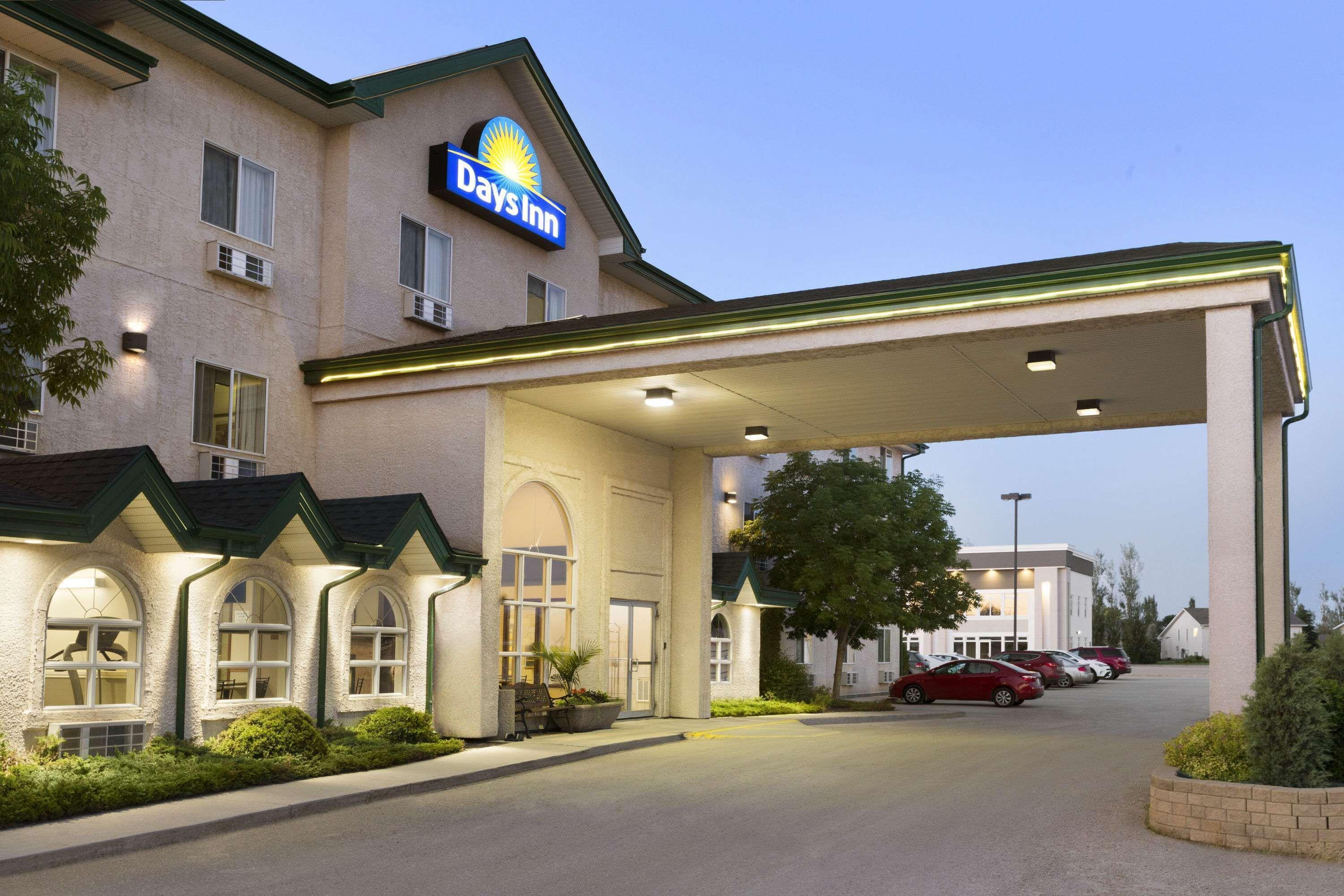
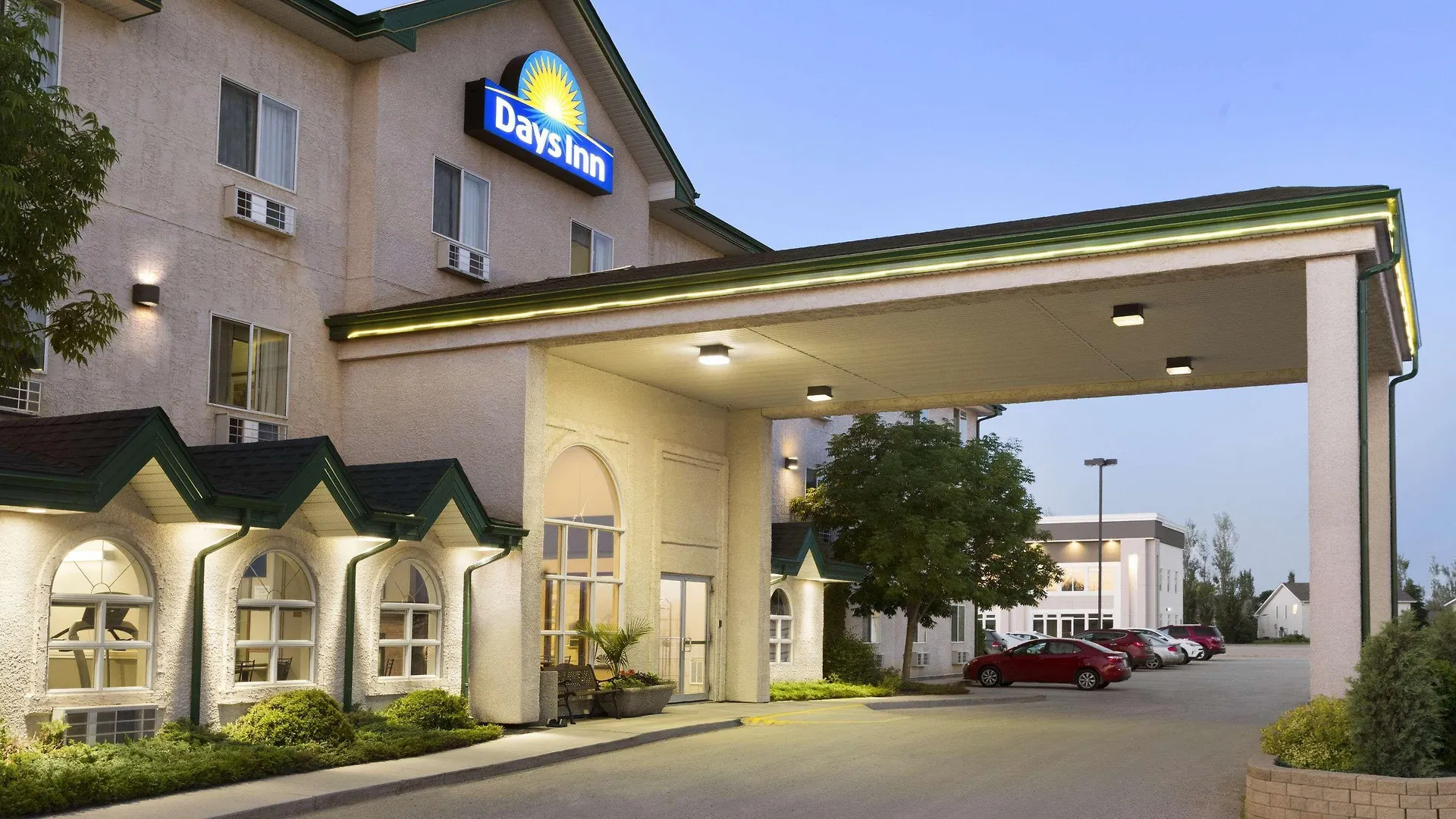
1. Days Inn By Wyndham Steinbach
Show on map


Just a few rooms left at the best rate!
fromUS$ 138
-
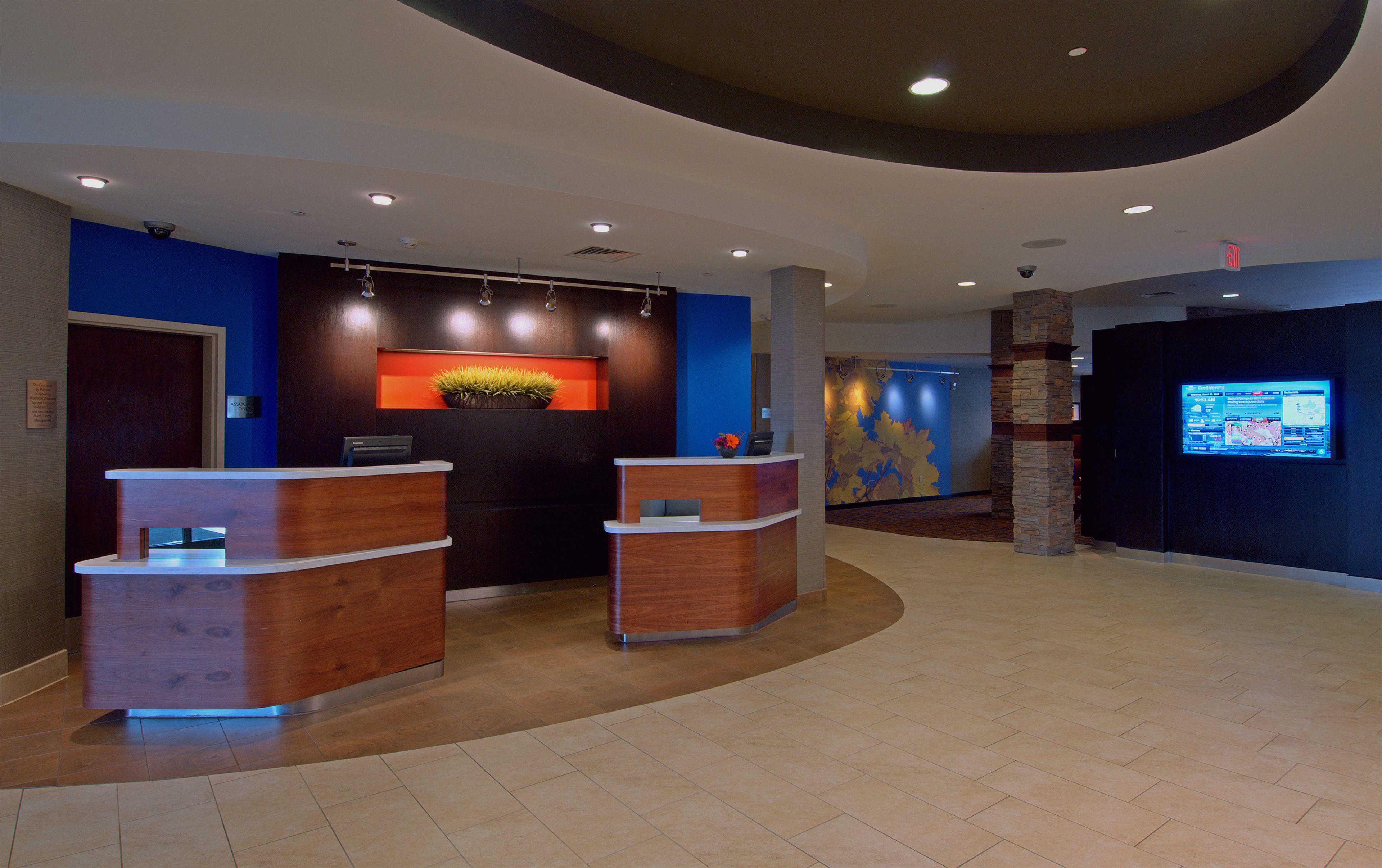
2. Queen Bee Hotel
Show on map


Just a few rooms left at the best rate!
fromUS$ 68
Best Premium Stays
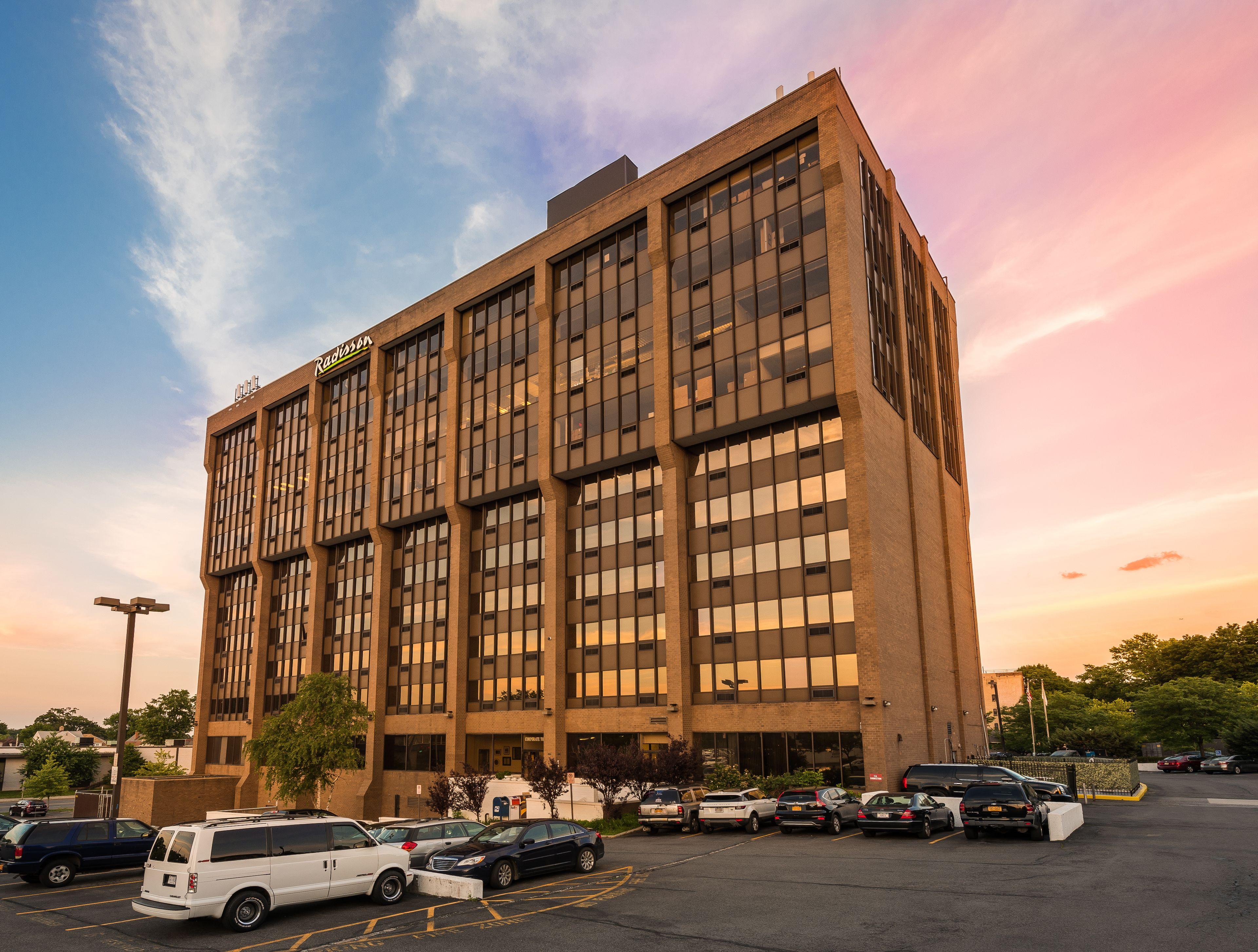
For travelers who want a historically significant Winnipeg address or the rare opportunity to base themselves in Churchill for northern Manitoba wildlife experiences, these two properties occupy distinct but high-value positions.
-
3. The Marlborough Hotel
Show on map


Hurry – almost gone at this price!
fromUS$ 66
-
4. Iceberg Inn
Show on map


Rooms filling fast – secure the best rate!
fromUS$ 229
Smart Travel & Timing Advice
Manitoba's travel calendar splits into two distinct demand cycles. In Winnipeg, summer - particularly July and August - brings the highest hotel occupancy driven by outdoor festivals, including the Winnipeg Folk Festival and Folklorama, pushing rates up and reducing last-minute availability across the city. Winter in Winnipeg, while cold, offers the Festival du Voyageur in February and significantly lower hotel rates compared to summer peaks, making it a viable window for budget-conscious travelers who are prepared for sub-zero temperatures. Churchill follows an entirely different pattern: October and November are the most competitive booking months due to polar bear migration along the Hudson Bay coast, with properties filling up months ahead and prices reflecting the near-total absence of alternatives. July and August in Churchill attract beluga whale viewers, creating a secondary demand spike. For Steinbach, there is no strong seasonal pattern - it operates primarily as a transit stop, and availability is generally stable year-round. For Winnipeg stays, a minimum of 3 nights allows adequate time to cover The Forks, the Exchange District, and at least one major museum without feeling rushed. Churchill warrants at least 2 to 3 nights to justify the logistical effort and cost of reaching it.